Article
How Homeschooling Encourages Creativity and Innovation
In today’s fast-changing world, creativity and innovation are no longer optional skills — they are essential for success. While traditional education often focuses heavily on memorization and standardized testing, homeschooling gives children the freedom to think independently, explore their interests, and develop real-world problem-solving abilities.6
Freedom to Learn Beyond Textbooks
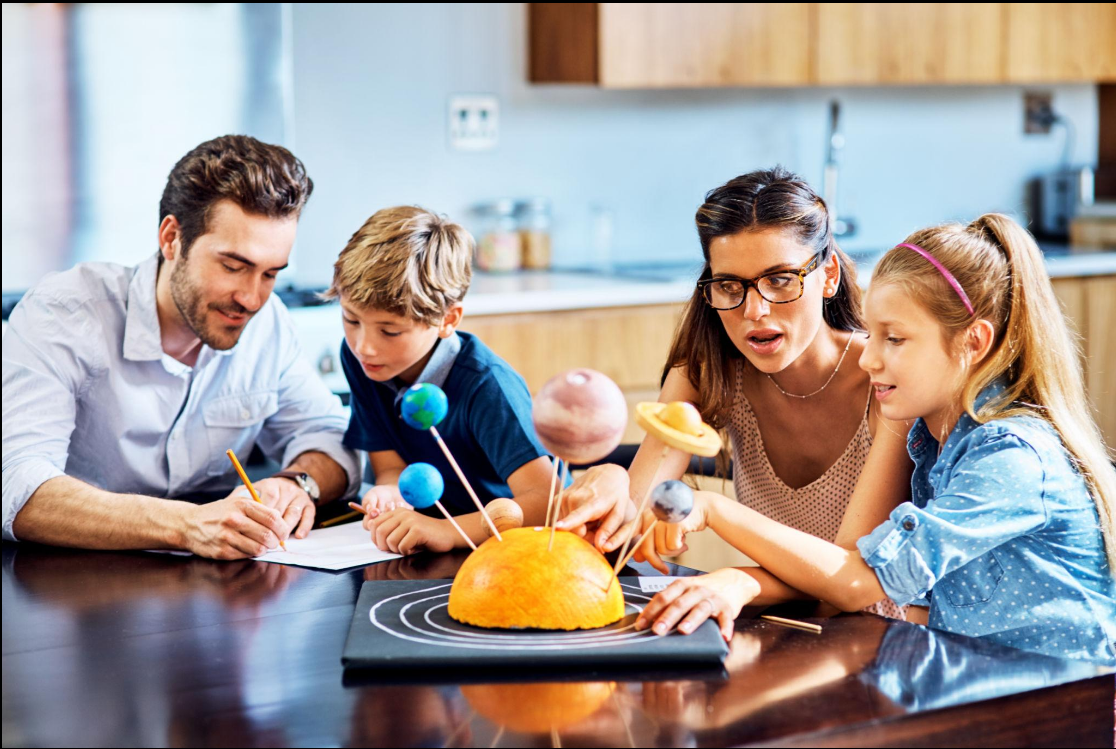
One of the biggest advantages of Homeschooling is flexible learning. Children are not limited to fixed classroom methods or rigid schedules. Instead, they can explore subjects through activities, projects, experiments, storytelling, coding, music, art, and hands-on experiences.This freedom allows children to:
Ask more questions
Think critically
Explore new ideas
Learn through curiosity instead of pressure
When learning becomes enjoyable, children naturally become more creative.
Personalized Learning Builds Innovation
Every child learns differently. Some children are visual learners, while others learn best through practical activities or discussions. Homeschooling allows parents and educators to customize learning according to a child’s strengths, interests, and pace.6This personalized approach helps children:
Develop confidence
Discover unique talents
Build independent thinking
Experiment without fear of failure
Innovation grows when children are encouraged to try, fail, improve, and create again.
More Time for Real-World Skills
Traditional schools often leave little time for skill development outside academics. Homeschooling creates space for children to explore:
Robotics
Coding
Music
Entrepreneurship
Public speaking
Design and creativity
Sports and fitness
These activities help children develop practical thinking and problem-solving abilities that are important in the future workplace.
Encouraging Independent Thinking
In many traditional classrooms, students are expected to follow the same method and answer patterns. Homeschooling encourages children to think independently and express their own ideas.Children learn how to:
Solve problems creatively
Research topics independently
Communicate ideas confidently
Take initiative in learning
These habits build future innovators, leaders, and entrepreneurs.
Technology and Modern Learning
Modern homeschooling combines education with technology-driven learning tools such as:
AI tutors
Interactive classes
Virtual labs
Educational games
Project-based learning platforms
This modern learning environment prepares children for a future driven by technology and innovation.7
A Stress-Free Environment Improves Creativity
Creativity grows best in environments where children feel safe, supported, and free from excessive academic pressure. Homeschooling reduces unnecessary stress and allows children to focus on meaningful learning instead of constant competition.When children enjoy learning, they become naturally motivated to explore and innovate.
Conclusion
Homeschooling is not just an alternative to traditional schooling — it is a modern approach that helps children become creative thinkers, confident learners, and future innovators. By encouraging curiosity, personalized learning, and real-world skills, homeschooling prepares children for a world where creativity and innovation matter more than ever.The future belongs to children who can think differently — and homeschooling gives them the freedom to do exactly that.