Latest
How AI Tutors Improve Confidence Before Exams
How AI Tutors Improve Confidence Before Exams
Meta Title: How AI Tutors Improve Confidence Before Exams | AI Exam Preparation Guide
Meta Description: Discover how AI Tutors help students build confidence before exams through personalized learning, mock tests, instant feedback, smart revision plans, and 24/7 academic support.
Introduction
Examinations are an important part of every student's academic journey, but they often bring stress, anxiety, and self-doubt. Many students worry about forgetting important concepts, managing their time, or not performing as well as expected. These concerns can affect both preparation and confidence.
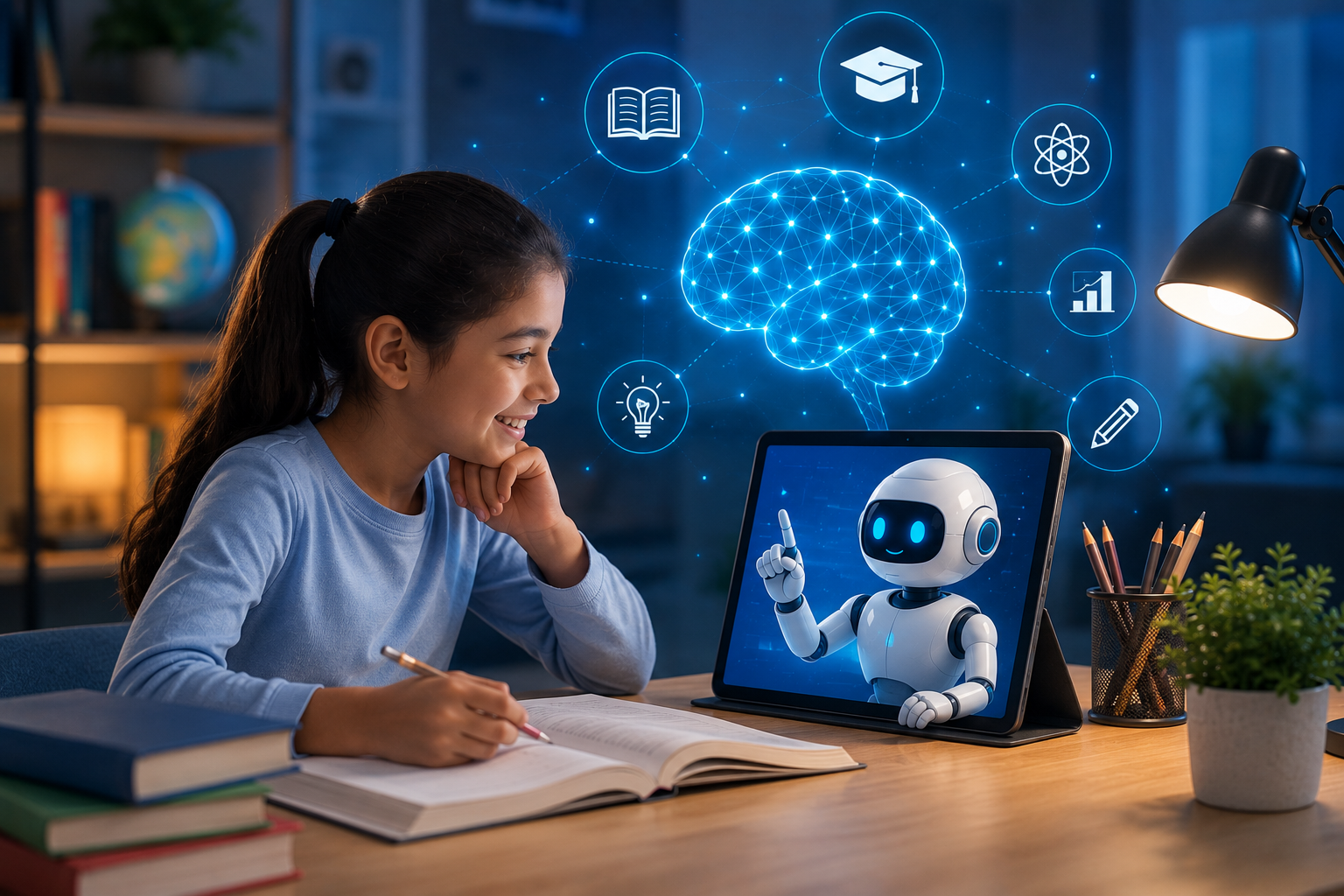
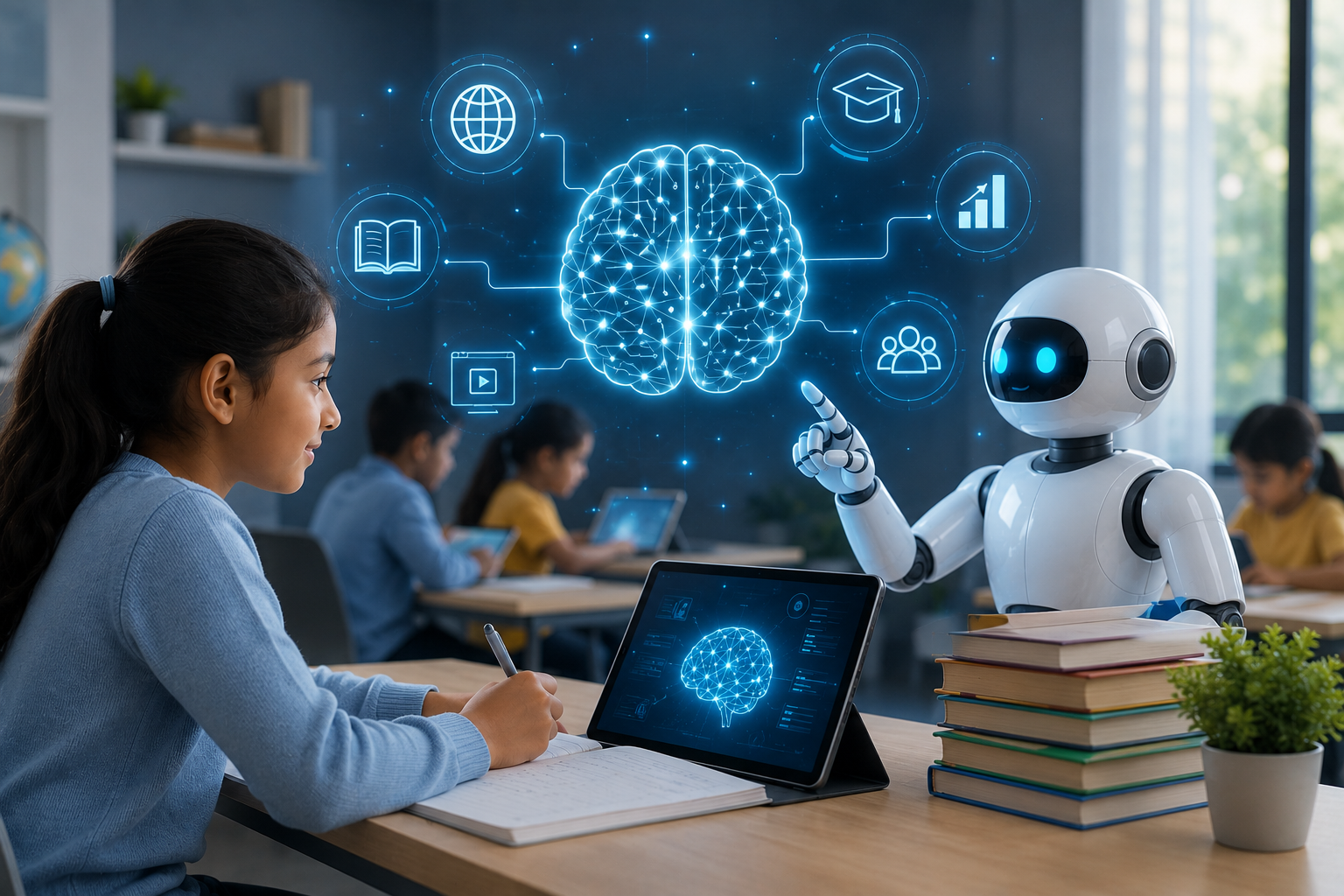
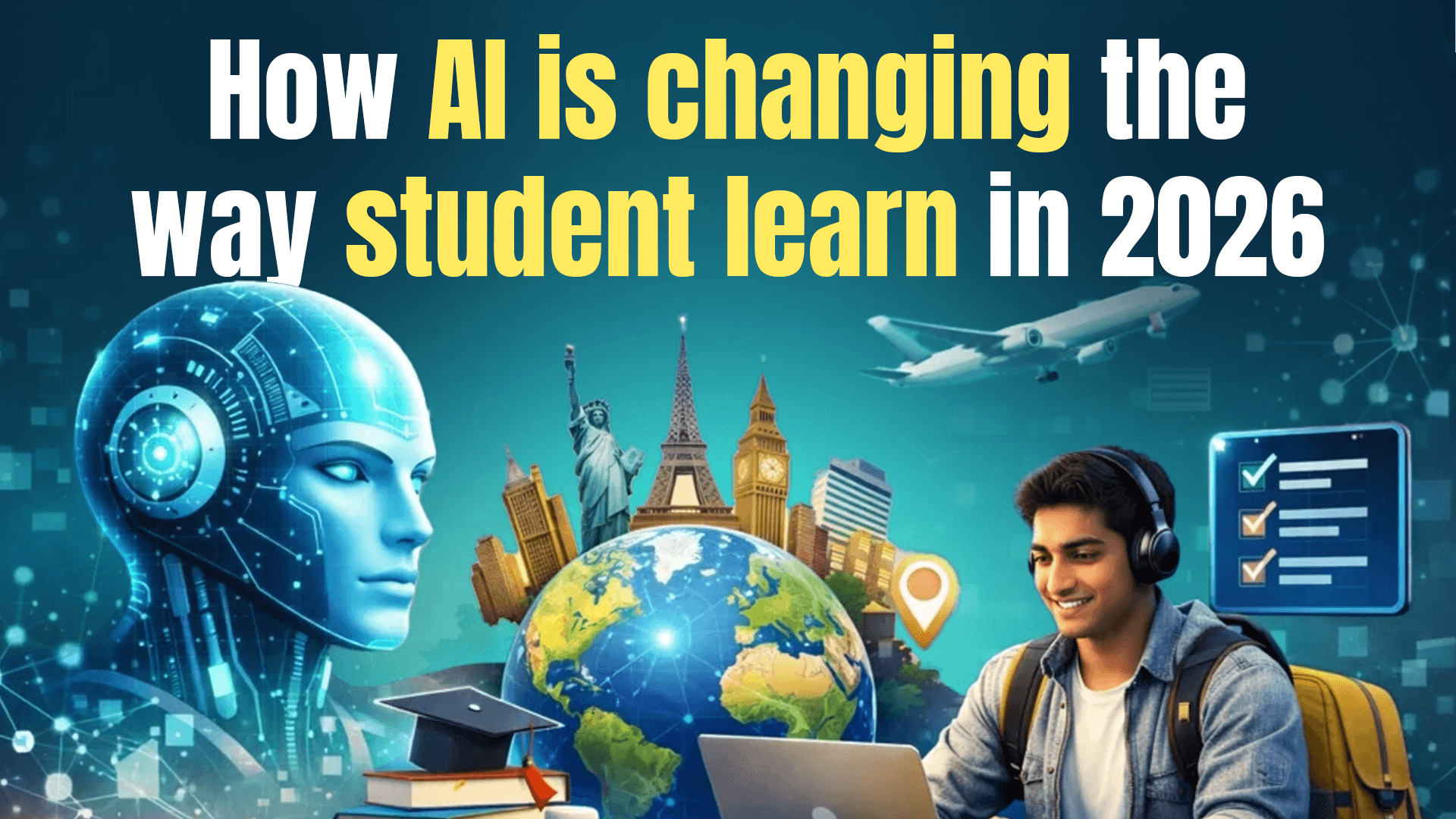
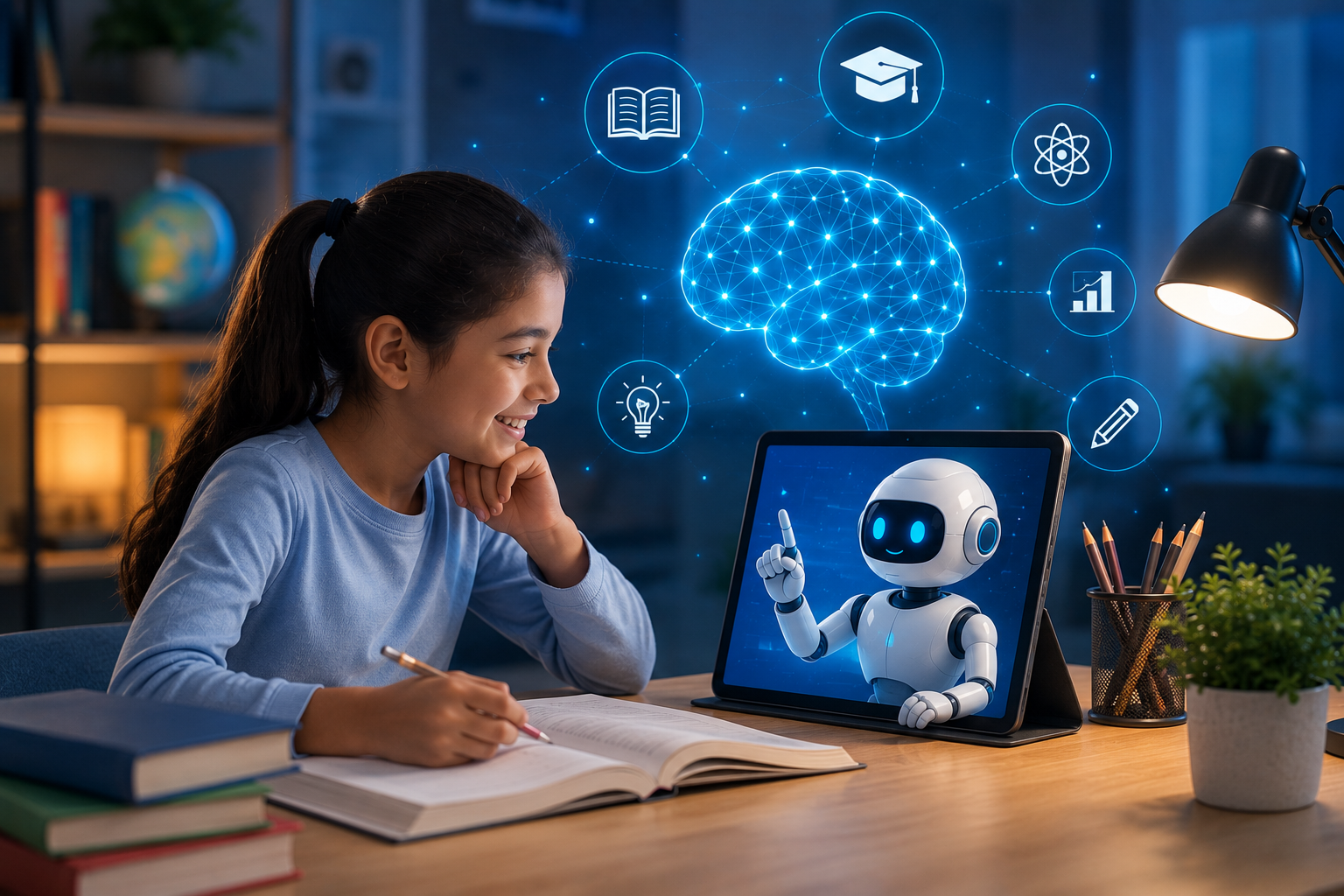
Artificial Intelligence is transforming the way students prepare for exams. AI Tutors provide personalized guidance, instant feedback, adaptive learning, and continuous support, helping learners study more effectively while building confidence every step of the way.
Instead of relying on last-minute cramming, students can prepare with structured study plans, targeted practice, and real-time assistance that makes learning less stressful and more productive.
Why Confidence Matters Before Exams
Confidence plays a significant role in academic performance. Students who believe in their preparation are more likely to:
Stay calm during exams.
Solve problems more accurately.
Manage time effectively.
Think critically under pressure.
Avoid unnecessary stress.
Perform closer to their true potential.
Building confidence starts with understanding the subject—not simply memorizing answers.
What Is an AI Tutor?
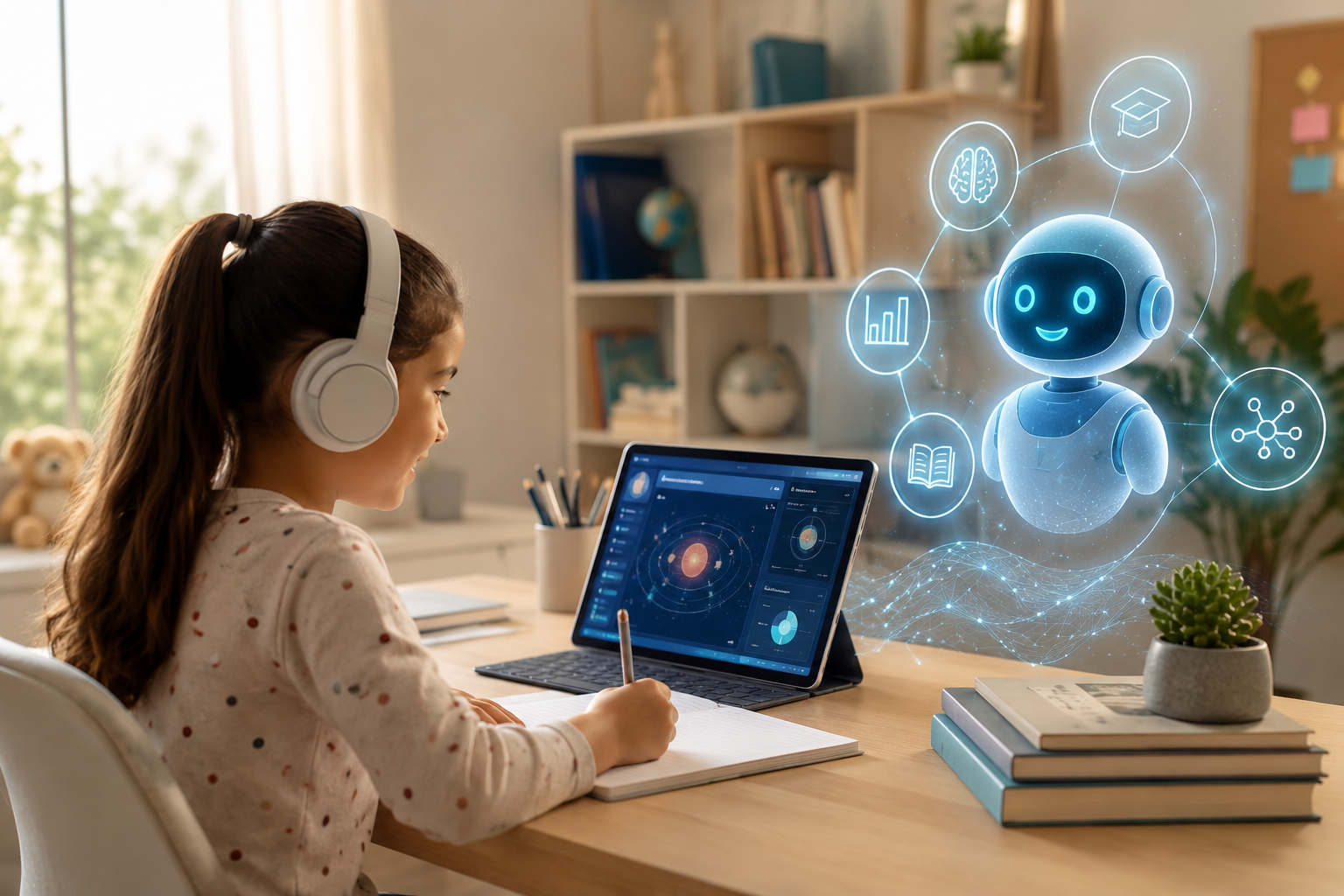
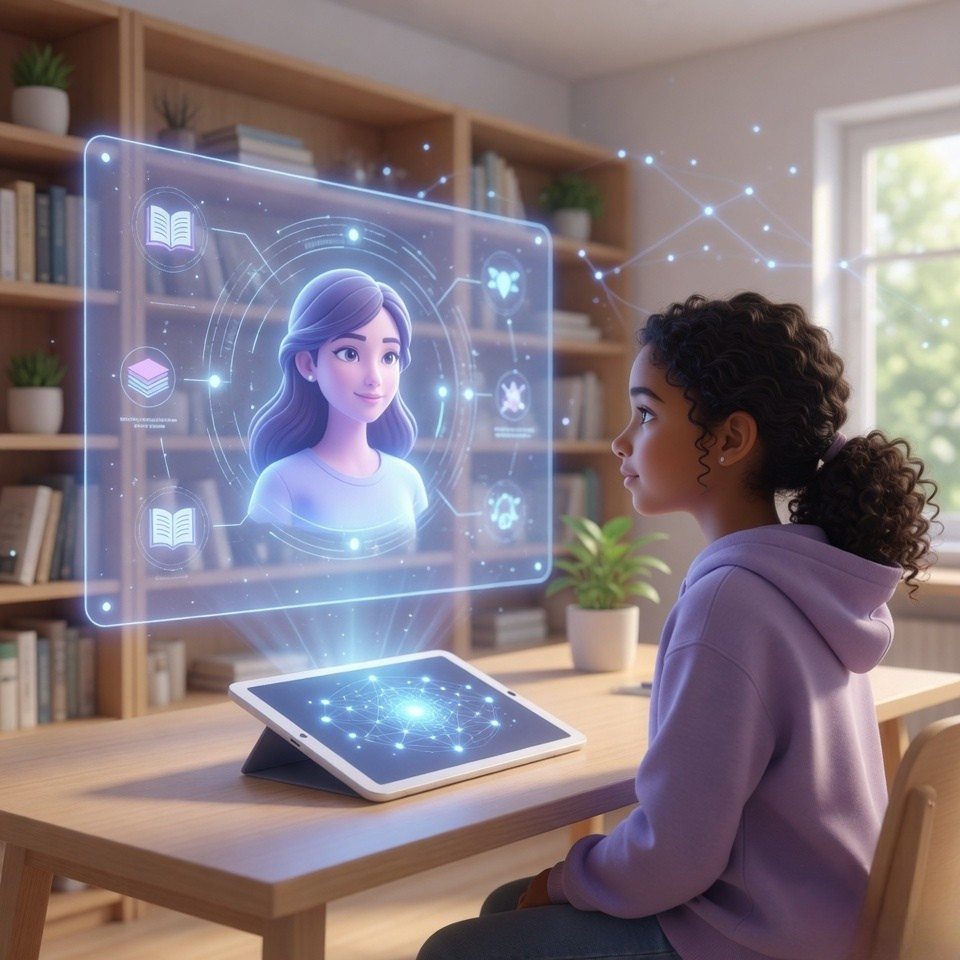
An AI Tutor is an intelligent learning assistant that helps students understand concepts, answer questions, track progress, and create personalized learning experiences.
Unlike traditional tutoring, AI Tutors are available anytime, allowing students to study whenever they need help.
Key capabilities include:
Instant doubt resolution
Personalized study plans
Interactive quizzes
Mock examinations
Performance analytics
Multilingual learning support
Progress tracking
Real-time feedback
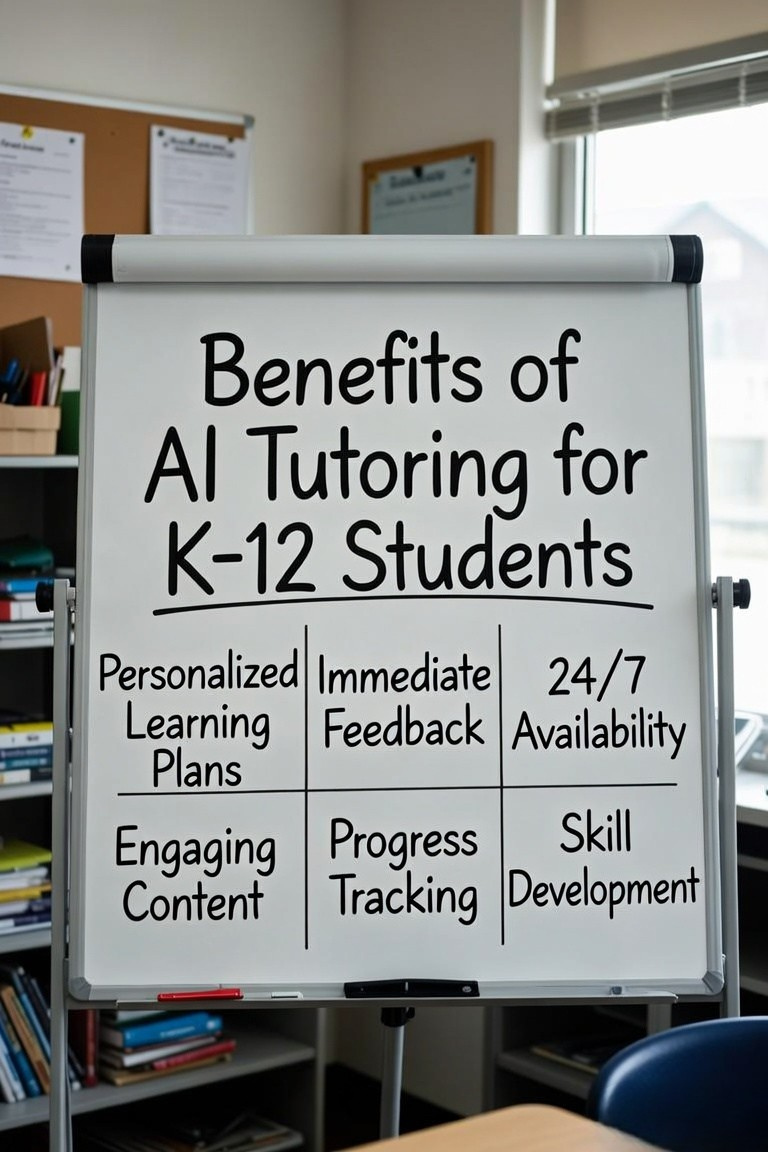
1. Personalized Study Plans
Every student prepares differently.
Some need extra practice in mathematics, while others struggle with science or languages.
AI Tutors analyze:
Previous performance
Learning speed
Strengths
Weak areas
Study habits
Based on this information, the AI creates a customized revision schedule that focuses on the topics requiring the most attention.
Students spend their time studying smarter—not longer.
2. Instant Answers to Doubts
One of the biggest reasons students lose confidence is unresolved questions.
Instead of waiting for the next class or tutor session, AI Tutors provide immediate explanations.
Students can ask:
Mathematical problems
Scientific concepts
Grammar questions
Historical facts
Programming queries
Receiving instant clarification prevents confusion from building up over time.
3. Practice Through Mock Tests
Confidence grows with practice.
AI Tutors generate personalized mock tests based on:
Exam syllabus
Previous mistakes
Difficulty level
Learning progress
These simulated exams help students:
Become familiar with exam patterns.
Improve time management.
Identify weak areas.
Reduce exam anxiety.
The more students practice, the more prepared they feel.
4. Immediate Feedback
Traditional assessments often require days before results are available.
AI Tutors provide instant feedback after every quiz or mock test.
Students immediately learn:
Which answers were correct.
Why mistakes occurred.
Which concepts need revision.
How to improve performance.
Quick feedback accelerates learning and builds confidence before the final exam.
5. Adaptive Learning
AI Tutors continuously adjust learning based on student performance.
If a learner struggles with a topic, the AI:
Simplifies explanations.
Recommends additional exercises.
Revisits foundational concepts.
Provides step-by-step guidance.
When students improve, the AI gradually introduces more challenging questions.
This adaptive approach ensures steady progress without overwhelming learners.
6. Tracking Progress
Seeing improvement motivates students.
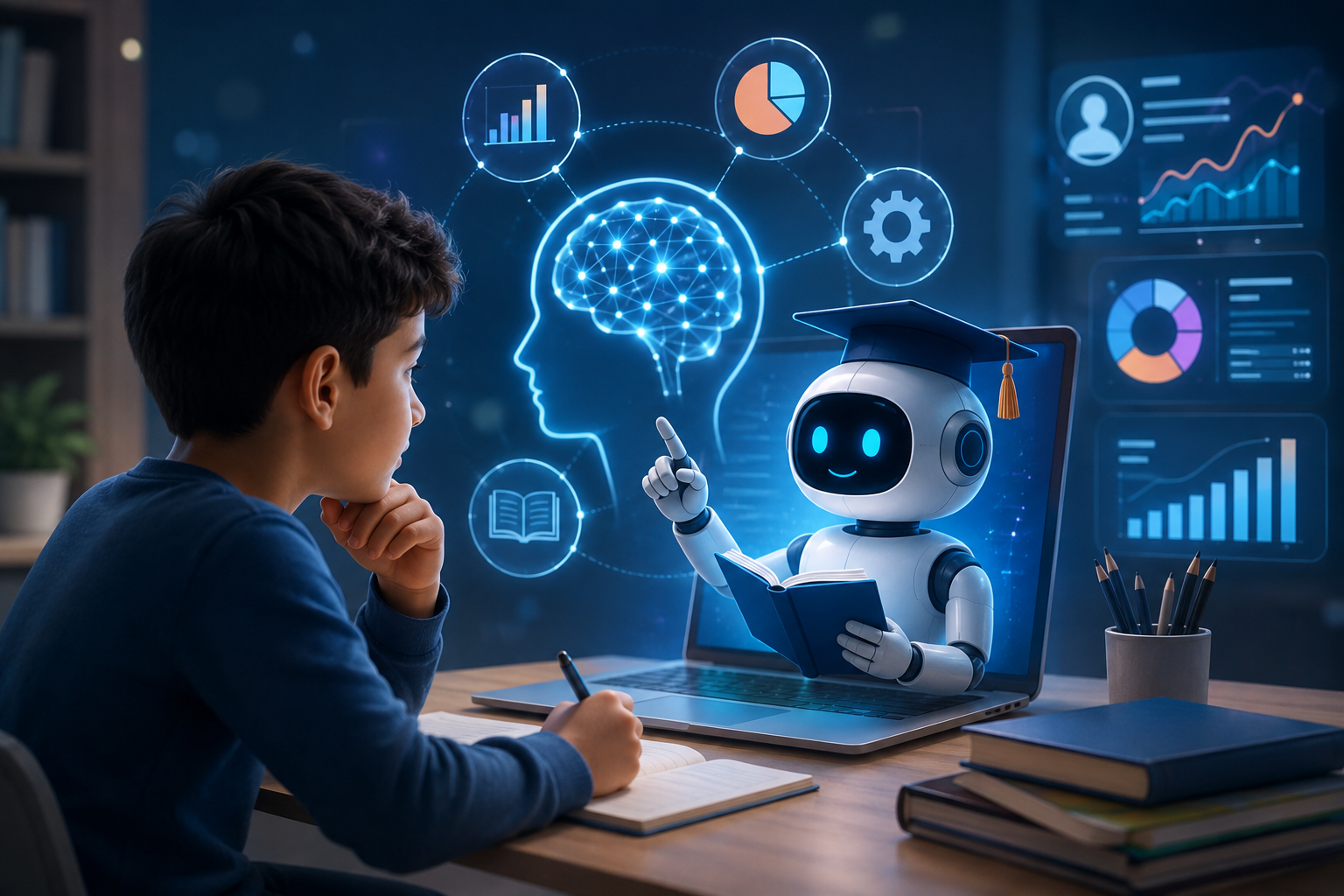
AI Tutors provide visual dashboards showing:
Completed lessons
Quiz scores
Revision progress
Subject mastery
Study consistency
Overall readiness
Watching progress over time reassures students that they are moving closer to their goals.
7. Learning at Any Time
Questions can arise early in the morning or late at night.
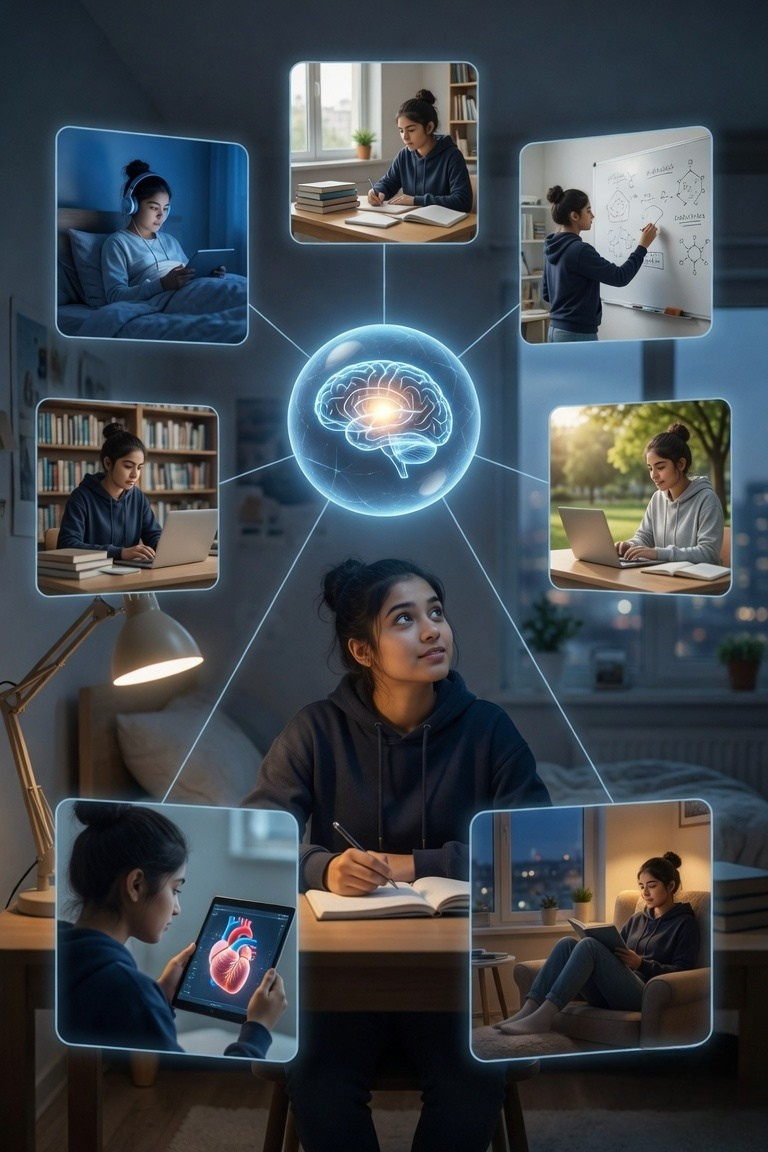
Unlike scheduled tuition classes, AI Tutors are available 24/7.
Students can:
Revise before school.
Practice after dinner.
Review concepts before sleeping.
Prepare during weekends.
Learning becomes flexible and convenient.
8. Reducing Exam Stress
Stress often comes from uncertainty.
AI Tutors reduce anxiety by helping students:
Organize study schedules.
Prioritize important topics.
Track preparation.
Practice repeatedly.
Receive positive reinforcement.
Knowing what to study and where improvement is needed creates a sense of control.
9. Encouraging Independent Learning
Rather than simply providing answers, AI Tutors encourage students to think critically.
They guide learners through:
Logical reasoning
Step-by-step problem solving
Concept-based learning
Self-assessment
Reflection on mistakes
Students become more independent and confident learners over time.
10. Supporting Teachers and Parents
AI Tutors also benefit teachers and parents by providing valuable insights into student progress.
They can monitor:
Study consistency
Learning gaps
Assessment performance
Revision history
Overall readiness
This allows adults to provide timely encouragement and targeted support before exams.
Best Practices for Using AI Tutors During Exam Preparation
To achieve the best results:
Start revising early instead of waiting until the last week.
Practice mock tests regularly.
Review AI feedback carefully.
Focus extra time on weak subjects.
Maintain a balanced study schedule.
Take regular breaks to stay refreshed.
Use AI as a learning guide, not a shortcut.
Consistent preparation builds lasting confidence.
The Future of AI Exam Preparation
AI-powered learning continues to evolve with new capabilities such as:
Voice-based tutoring
Personalized revision roadmaps
Predictive exam readiness scores
Emotion-aware learning support
AI-generated practice papers
Real-time performance coaching
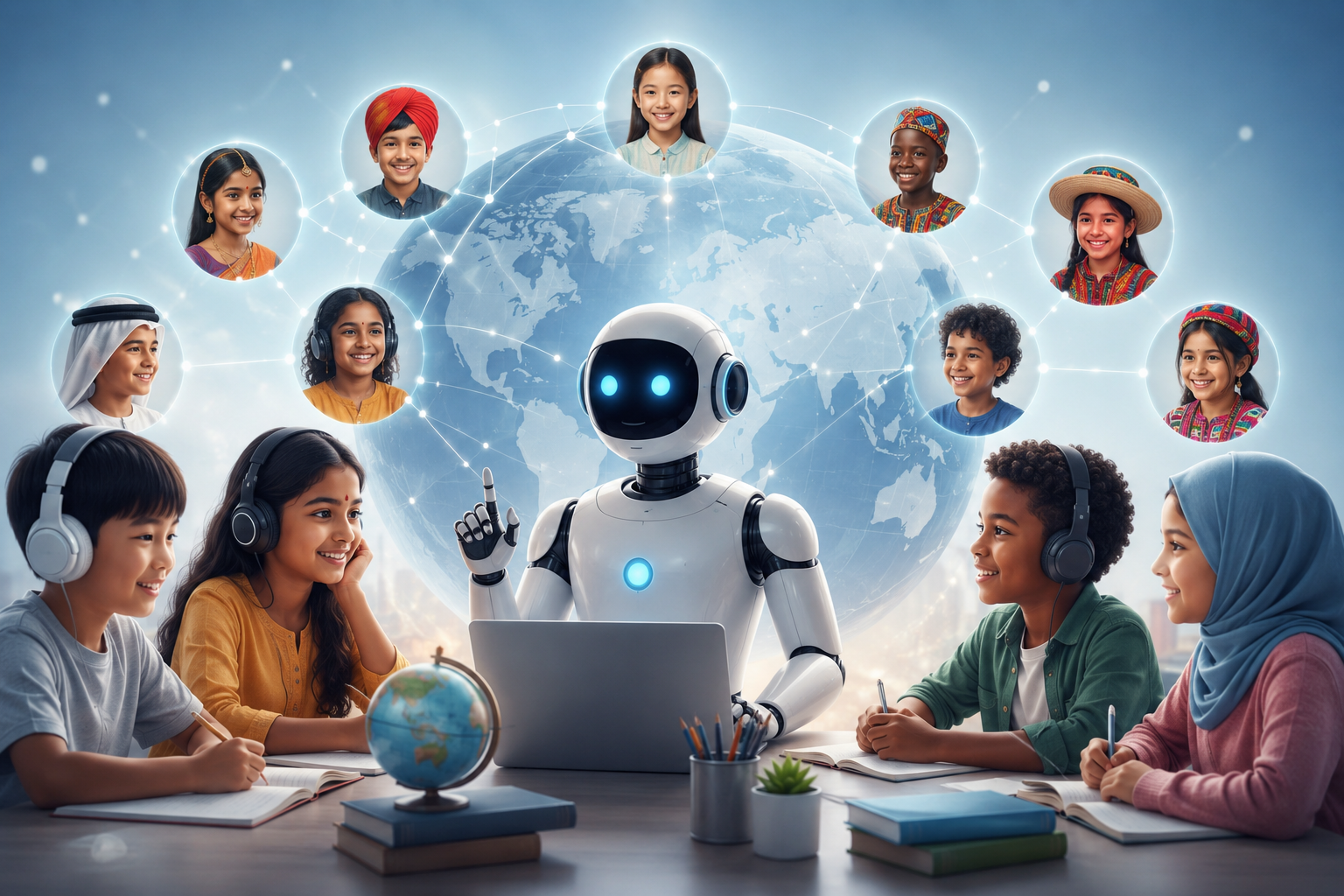
Multilingual tutoring
Virtual Reality (VR) revision experiences
These innovations will make exam preparation more effective, engaging, and personalized.
Conclusion
Confidence before exams doesn't come from luck—it comes from preparation. AI Tutors help students prepare with personalized learning paths, instant doubt resolution, adaptive practice, and continuous feedback.
By identifying learning gaps, tracking progress, and providing support whenever it's needed, AI transforms exam preparation into a structured and rewarding experience.
Combined with dedicated study habits and teacher guidance, AI Tutors empower students to approach exams with greater confidence, reduced stress, and a stronger understanding of every subject.
Frequently Asked Questions (FAQs)
1. How do AI Tutors help students before exams?
AI Tutors create personalized study plans, answer questions instantly, provide mock tests, track progress, and recommend focused revision based on each student's strengths and weaknesses.
2. Can AI Tutors reduce exam stress?
Yes. By organizing study schedules, providing continuous feedback, and helping students practice regularly, AI Tutors reduce uncertainty and improve confidence.
3. Are AI Tutors better than traditional tuition?
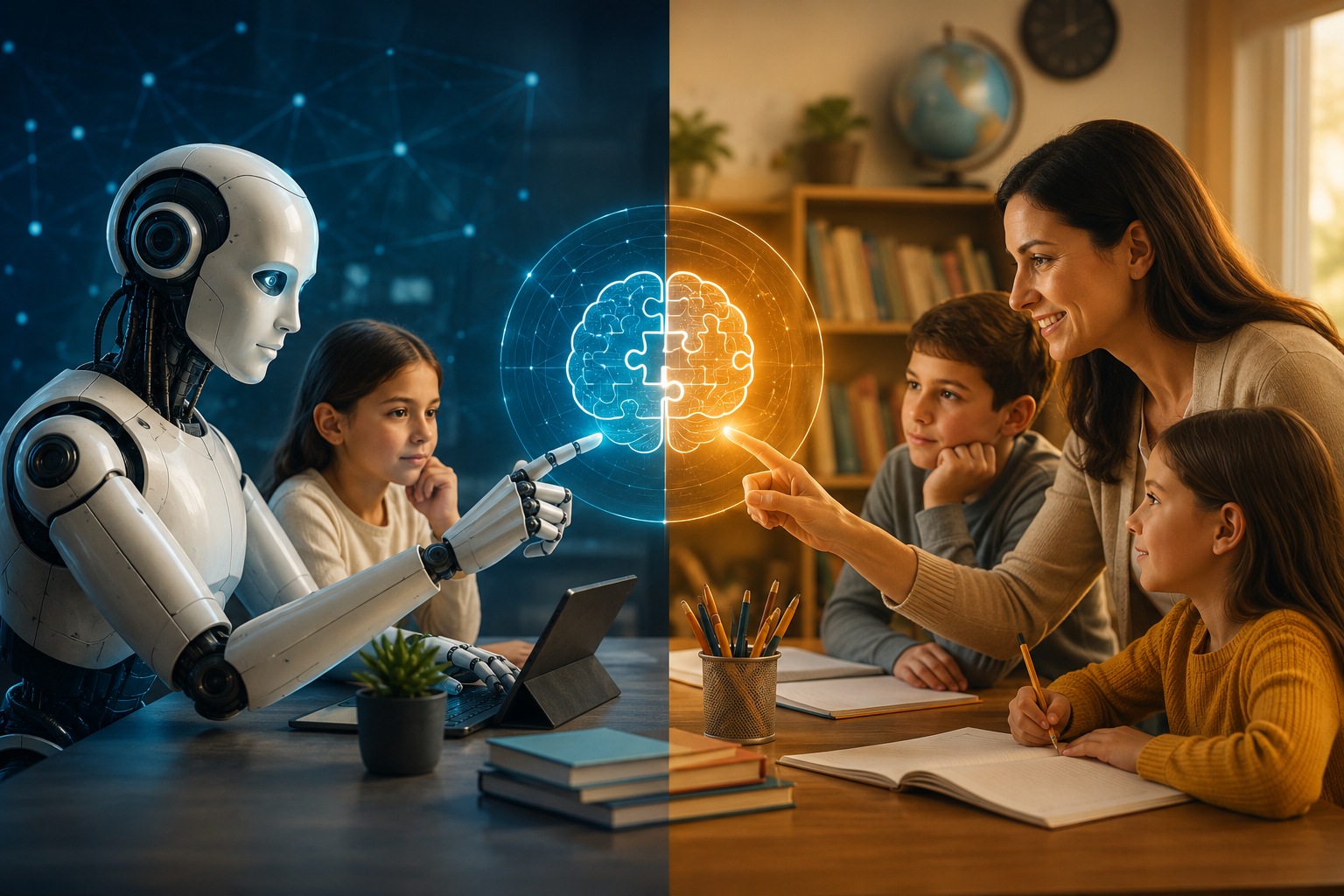
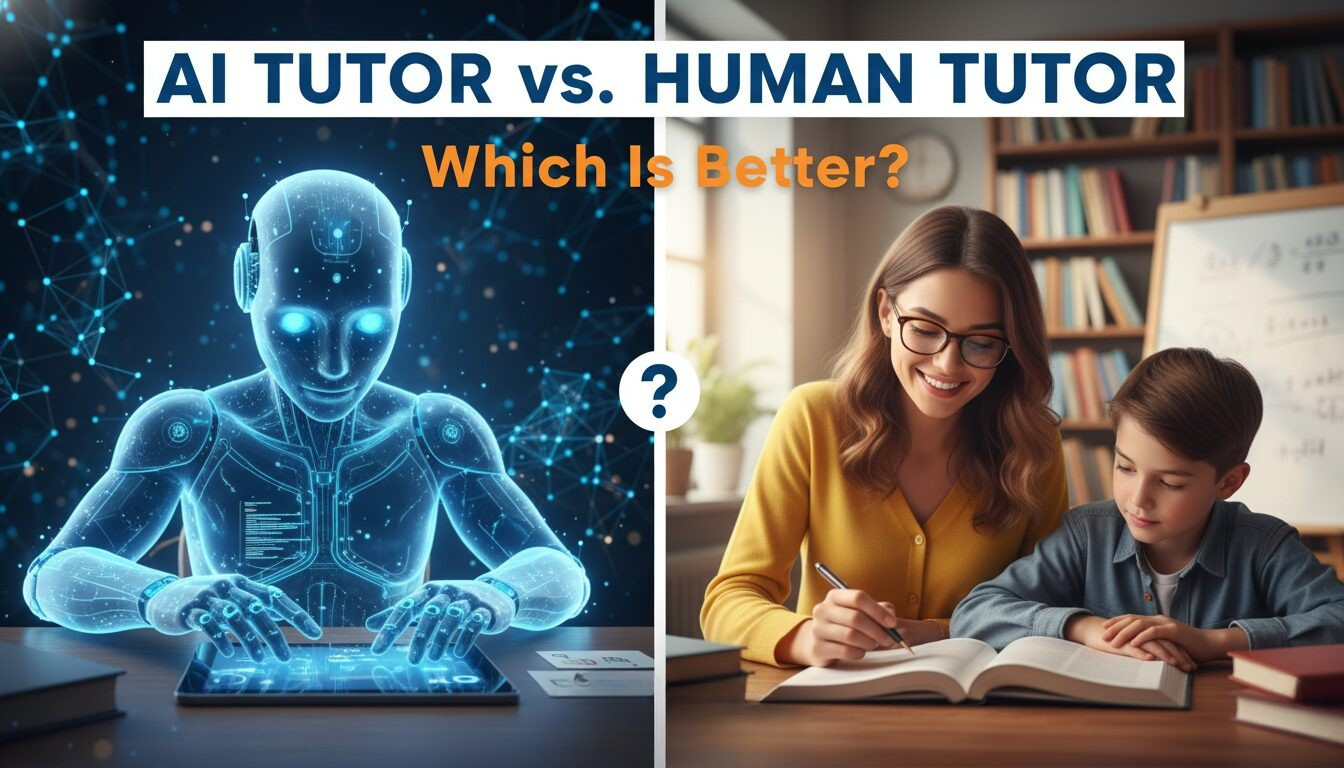
AI Tutors complement traditional tuition by offering 24/7 support, personalized learning, and instant feedback. Many students benefit from using both together.
4. Can AI Tutors prepare students for competitive exams?
Yes. AI Tutors can generate practice questions, simulate exam patterns, identify weak areas, and adapt study plans for competitive exam preparation.
5. Should students rely only on AI for exam preparation?
No. AI should be used alongside classroom teaching, textbooks, practice papers, and guidance from teachers and parents for the best learning outcomes.
Final Thoughts
Exam success is built on understanding, consistency, and confidence. AI Tutors make that journey easier by turning complex subjects into personalized learning experiences. With the right balance of technology, dedication, and guidance, students can approach every exam feeling prepared, capable, and confident.